
Put your home’s equity to work.
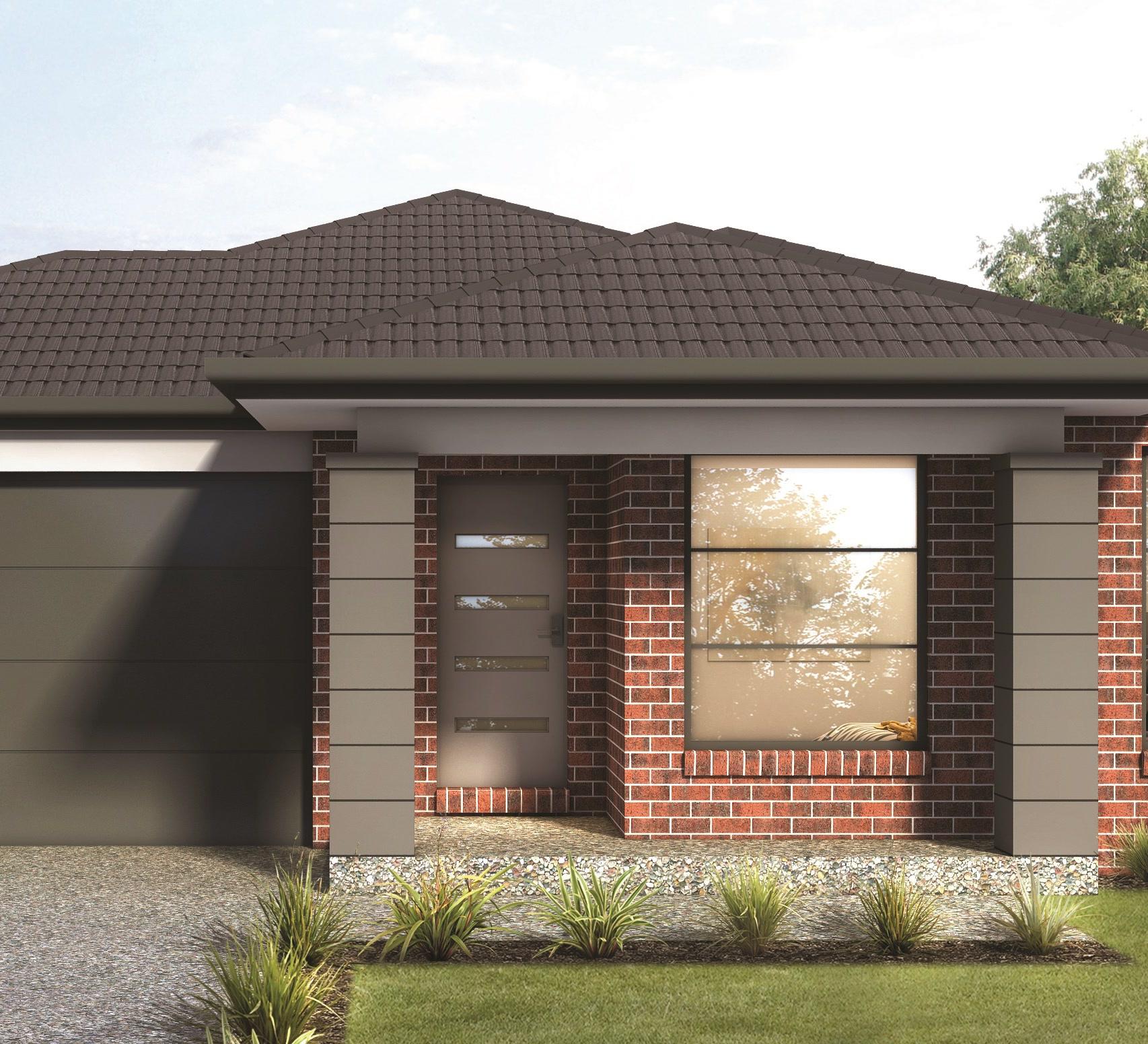
Has your home gone up in value since you bought it? That growth could help pay for a brand-new investment property. We’ll show you what you have to work with, then help you find a new home that fits.
Free equity check
We respect your privacy. Your answers are only used for your equity check. See our Privacy Policy.
“Ben and I knew our home had gone up in value but had no idea how to actually use the equity. First Path Homes was super helpful throughout this process as they developed an effective strategy that helped us achieve our goal of owning our first investment property.”
Investing, without the guesswork.
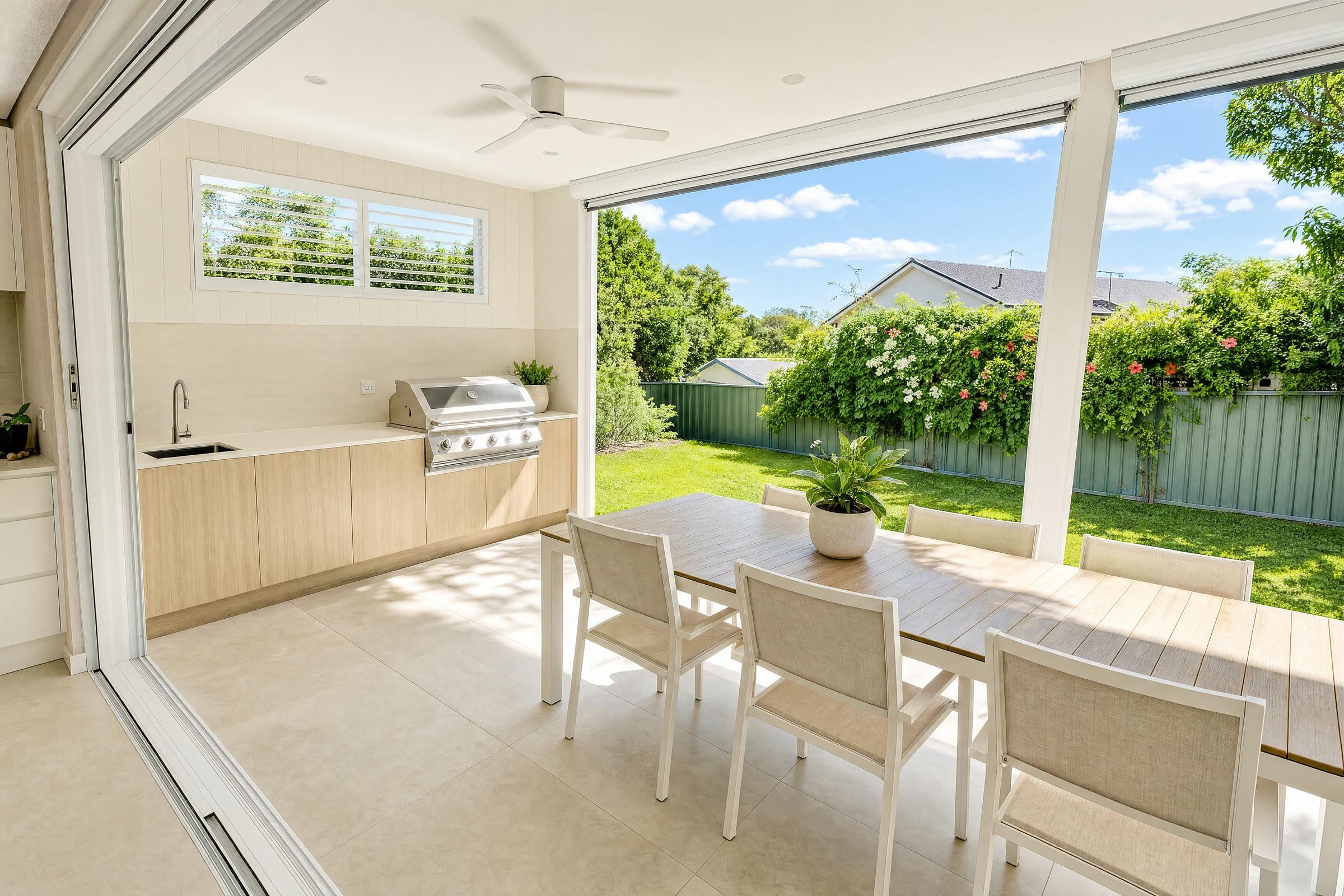
Equity, loans, locations and which home to buy. It’s a lot to weigh up on your own. We bring it into one clear plan, with a partner broker who compares 30 lenders and builders we’ve worked with for up to 15 years.
Three steps to your next property.
- 01
Size up your equity
We look at what your home could be worth today, what you still owe, and how much of the difference a lender may let you use.
- 02
Get your borrowing sorted
Our partner broker compares 30 lenders to see what you could borrow, and how the loans could be set up.
- 03
Find the right new home
We match you with brand-new house-and-land packages from our partner builders that fit your budget, your goals and where you want to buy.
What your equity could unlock.
Equity is what your home is worth, minus what you still owe. Lenders usually let you borrow against part of it, often up to 80% of the home’s value, less your current loan.
Example: a $750,000 home
Loan
$450kUsable
$150kThe rest
$150k- Home value
- $750,000
- Loan still owing
- $450,000
- Total equity ($750k − $450k)
- $300,000
- Usable equity (80% × $750k − $450k)
- $150,000
Example figures only. What you can use depends on your lender, income, debts and the home’s valuation.
The price, next to the rent.
A rental appraisal is a local property manager’s written estimate of what a home could rent for each week. Put it beside the package price and you can see, in plain numbers, what the home might bring in before any costs.
Example: a $600,000 house-and-land package
Package price
House and land, fixed priceRental appraisal
A property manager’s weekly estimateRent over a year
$580 × 52 weeksRent as a share of the price
$30,160 ÷ $600,000, before any costsExample figures only. They aren’t a forecast, a rental guarantee or a promise of returns. Rent isn’t profit: it has to cover loan repayments, council rates, insurance, property management fees, upkeep and any weeks without a tenant. Rents and home values can fall as well as rise.
Why we focus on new homes.
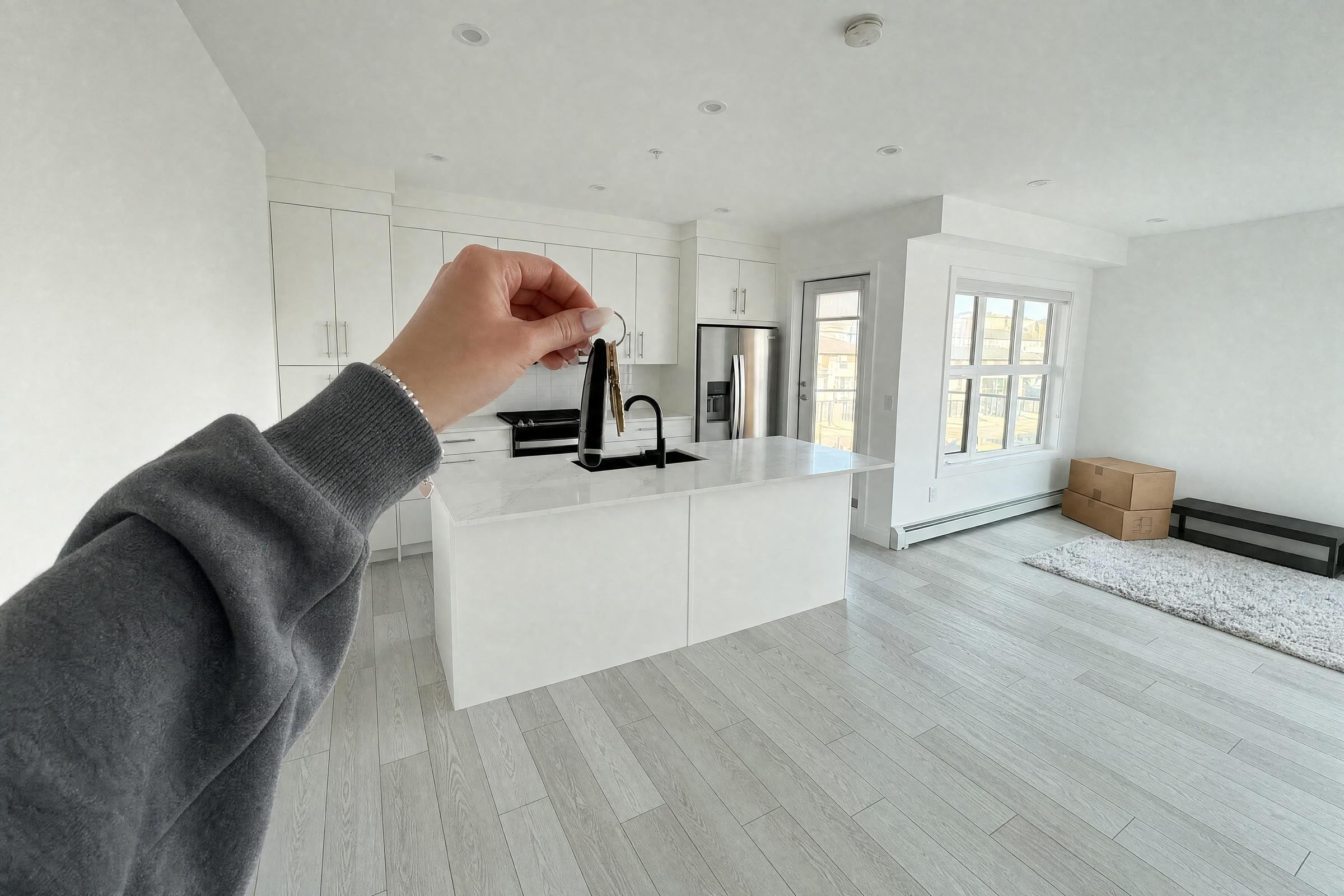
Easier to rent out
Modern layouts and the inclusions tenants look for.
A fixed build price
Turn-key contracts, so you know the full cost upfront.
Less upkeep early on
New fittings, plus your builder’s warranties in the first years.
Larger depreciation claims
New homes usually allow bigger depreciation deductions than older ones. Ask your accountant how this applies to you.
General information only. It isn’t financial, tax, legal or investment advice. Example figures are for illustration. Whether you can use your equity, and your tax outcome, depend on your circumstances, your lender and professional advice.
Could this suit you?
You don’t need to tick every box. It’s a guide to the investors we help most.
- You own a home, and it’s worth more than when you bought it
- You want a property that earns rent
- You earn a steady income and keep your debts in check
- You’re happy to buy brand-new rather than established
- You’re thinking about buying in the next year or so
- You’d like one team to handle the loan, the home and the paperwork
From “where do we start?” to rent coming in.
Every review here is from a real buyer, shared with their permission.
“We always just talked about owning an investment property but neither of us knew where to start, which made us wait for so long. Once our friend recommended us to First Path Homes, they sat us down and educated us and worked with us on an equity and borrowing position. They went through new build options that made sense for our budget and then showed us investment properties that fit our budget. The process felt super organised and there was never any pressure to rush into something. Would recommend to anyone looking to get a clear understanding of their borrowing position as they look for an investment property.”
“Ben and I knew our home had gone up in value but had no idea how to actually use the equity. First Path Homes was super helpful throughout this process as they developed an effective strategy that helped us achieve our goal of owning our first investment property.”
Before you start.
What people usually ask before their equity check.
Not always. If you have enough usable equity, a lender may let you put it towards the deposit and buying costs instead of cash. It depends on your home’s value, your loan, your income and the lender’s rules.
Start with what your home could sell for today, then take away what you still owe. The part you can actually use is usually smaller, because lenders cap how much you can borrow against your home.
It depends. Some buyers top up or restructure their existing loan, and some don’t need to. Our partner broker looks at your setup and explains the options in plain English.
No. We only work with brand-new house-and-land homes from partner builders we’ve worked with for up to 15 years, on fixed-price, turn-key contracts.
That’s fine. The equity check shows what you have to work with today, and we’ll tell you honestly if waiting makes more sense. There’s no obligation.
Your next property could start here.
Free, about 60 seconds, and no credit check. If it looks like a fit, a property assistant will be in touch.
Start my equity check